0300 30 20 752 support@skarating.org
Select Page
Wagamama Clarks Village: SKArating Gold for a gas-free restaurant fit-out

Wagamama Clarks Village: SKArating Gold for a gas-free restaurant fit-out

SKArating Case Study | Retail v1.0

Wagamama Clarks Village: SKArating Gold for a gas-free restaurant fit-out

Wagamama’s new restaurant at Clarks Village in Street, Somerset, has achieved SKArating Gold under the Retail v1.0 scheme. The fit-out turned a former retail unit into an all-electric restaurant with no gas, tables made from recycled chopsticks, and detailed energy and water monitoring from day one.

The assessment was led by Stewart Muir, Senior Technical Consultant at Bioregional, working with Alex Neil, Group Head of Construction at Wagamama. The two spoke to Elina Grigoriou of the SKArating Board on the SKArating podcast about how the project came together, and their account forms the basis of this case study.

Project at a glance

ProjectWagamama Clarks Village
ClientWagamama
LocationClarks Village, Street, Somerset BA16 0BB
Project typeFit-out of a former retail unit as a restaurant
SchemeSKArating Retail v1.0
Rating achievedGold
SKArating AssessorStewart Muir, Bioregional
Project manager and QSRockshore
ArchitectQuadrant Design
Main contractorMeridian
LandlordLandsec
Project valueApproximately £1.4 million

Hear the full story on the SKArating podcast. Alex Neil of Wagamama and Stewart Muir of Bioregional talk through how the Clarks Village fit-out came together, and how Wagamama approaches sustainability across its restaurants and day-to-day operations, from energy and water monitoring to recycled chopstick tables and team league tables.

Listen to the episode: How Wagamama Used SKArating to Raise the Bar →

The challenge: proving progress, not just claiming it

Wagamama builds between six and ten restaurants a year and now runs around 80 sites. Its “treading softly” commitment aims to cut emissions by 5% a year from a 2023 baseline and reach net zero by 2040. The construction team wanted its fit-outs to play their part, but it lacked an independent way to measure where it stood.

There was also a perception to overcome. Inside the business, sustainability was often assumed to be expensive, onerous and hard to achieve. Wagamama wanted a standardised, recognised framework that would show what good looks like, and evidence that its claims were real.

Clarks Village added its own constraints. The unit had always been a shop and had never housed a restaurant, so it needed new services throughout, and the opening date had been committed to the landlord.
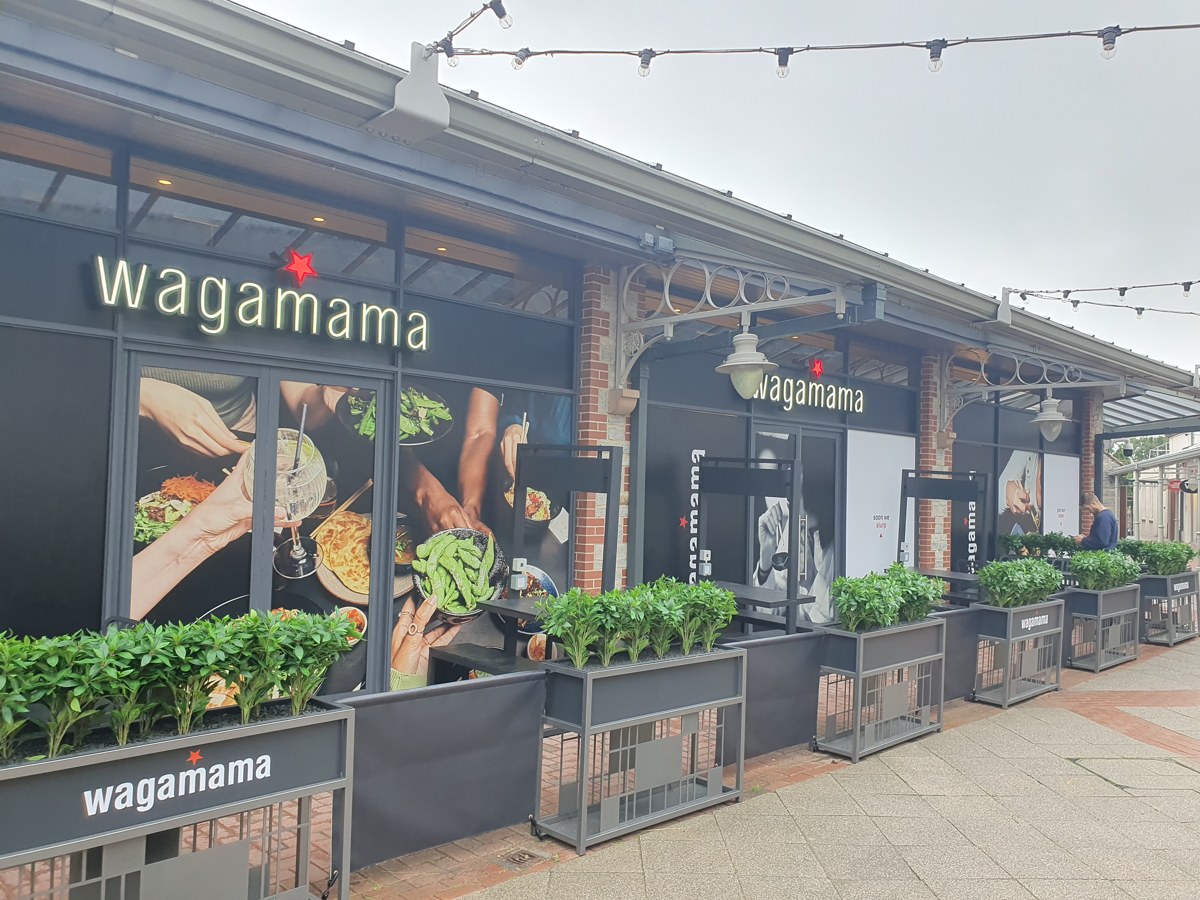
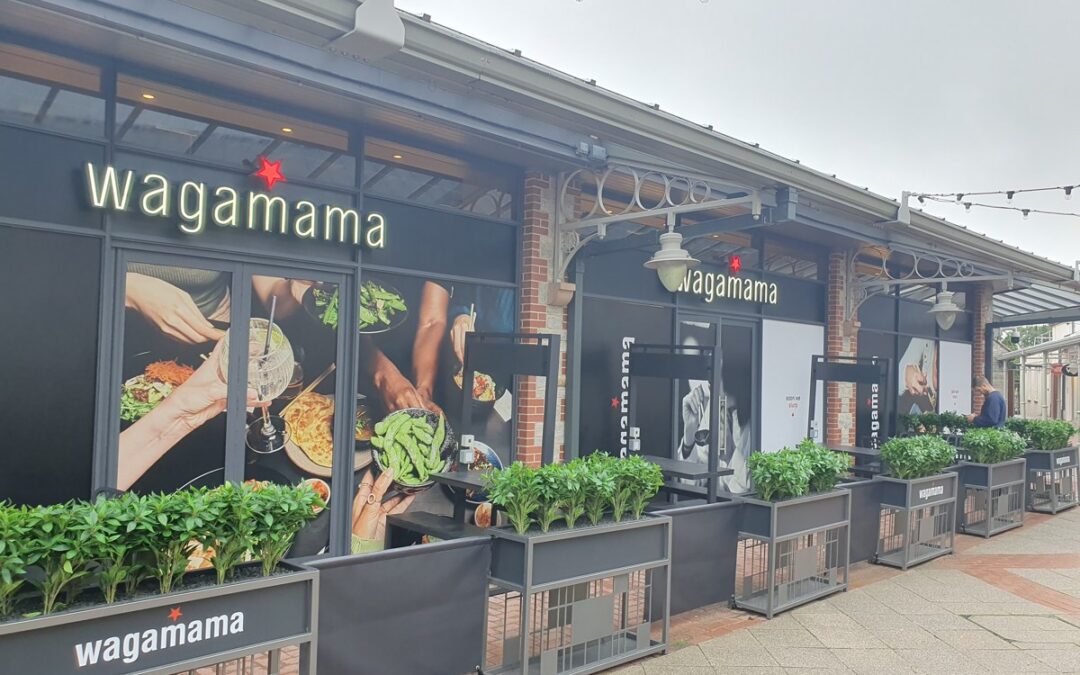
The new Wagamama restaurant at Clarks Village
The new Wagamama at Clarks Village, converted from a former retail unit.

What difference did SKArating make?

SKArating turned good intentions into verified performance. Before Clarks Village, Bioregional ran retrospective baseline assessments of Wagamama’s West Bridgford and Telford restaurants. These showed the brand was already close to Silver, so Silver became the initial target.

The ambition then rose. On learning that other restaurant brands had achieved Gold, Alex Neil changed the target mid-planning. The project went on to achieve Gold, meeting over 60 measures and exceeding the gateway measures Gold requires.

The scheme’s breadth also changed how the team worked. SKArating cannot be met with five or ten headline initiatives: every category needs action. That pushed the project into areas it might otherwise have overlooked, from the provenance of furniture veneers to the efficiency of hand dryers. The hand dryer the team found proved both cheaper and more sustainable than the model Wagamama had been buying.

Full certification also gave a different result from benchmarking alone. With the Assessor involved, some items the team believed it had achieved in the baseline turned out to fall short, and were adjusted to get them over the line.

In the client’s words

“I don’t want to do anything unless we’re able to prove that we did it to the best of our ability, and that it’s as honest as it can be. What the accreditation gives you is that feeling that we’ve actually done it. It’s a proud moment for me personally and for the business.”

Alex Neil, Group Head of Construction, Wagamama

Quote taken from the SKArating podcast and lightly edited for readability.

What value did the scheme deliver?

The project achieved SKArating Gold with over 60 measures met, and delivered savings Wagamama can carry across its estate.

Theme What was delivered at Clarks Village Photo
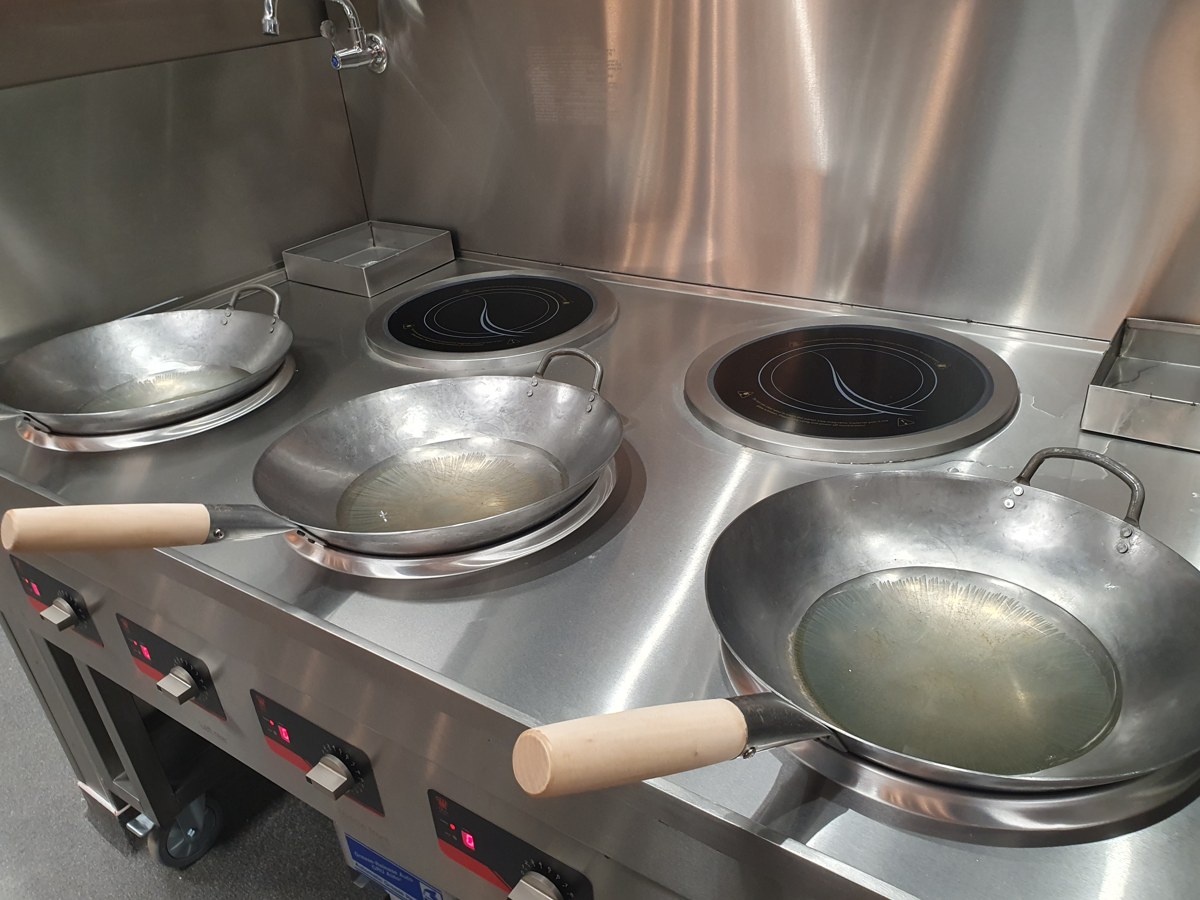
Energy and carbon An all-electric fit-out with no gas, including induction wok stations in the kitchen. Landsec funded a new electricity cable from the local network to make this possible. Induction wok stations in the all-electric kitchen
Control and monitoring An energy management and control system by Clearworld. Wagamama’s dashboard shows when teams override air conditioning settings, and regional league tables now turn efficiency into friendly competition.
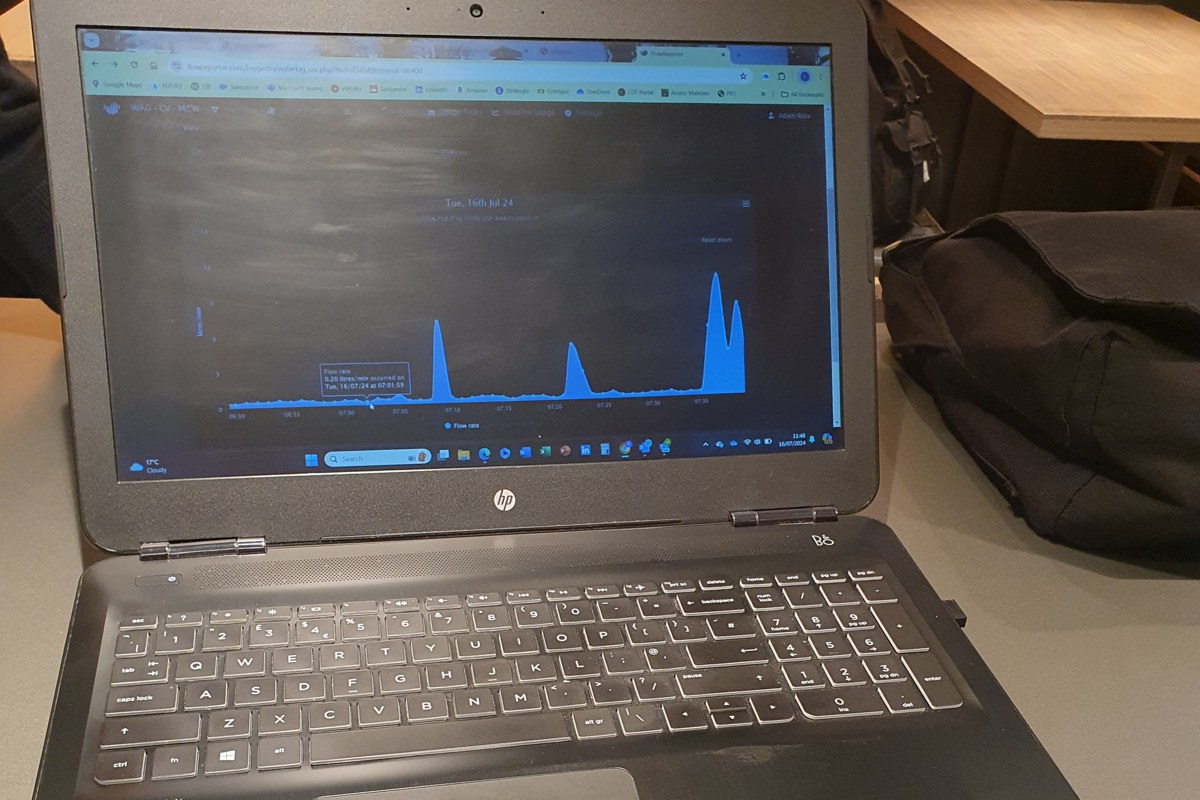
Water Detailed water monitoring and reporting, with flow data visible minute by minute. Each device costs around £1,000 and pays back within months by exposing overnight use and hidden leaks. Water monitoring equipment
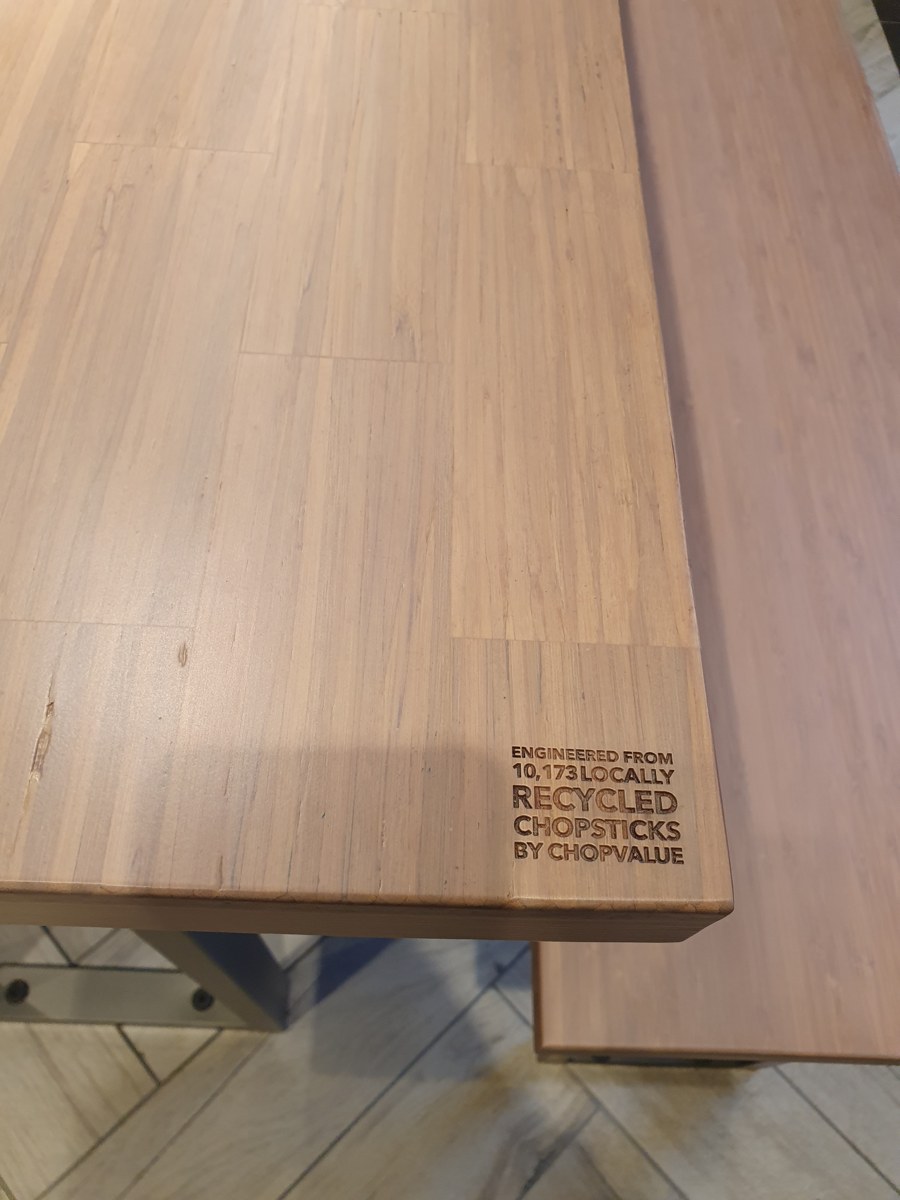
Materials and circularity Table tops by ChopValue, made from around 83,000 chopsticks collected from ten Wagamama restaurants. Each table is engraved with its count, from roughly 4,000 to over 10,000. Reclaimed brick slips and furniture meeting an 80% recycled or reused threshold. ChopValue table made from recycled chopsticks
Responsible sourcing Documented provenance and certification for materials, with suppliers pressed for evidence down their own supply chains.
Transport and wellbeing Facilities enabling staff to cycle to work.

The cost was modest and partly one-off. Alex Neil puts the premium at roughly £40,000 to £60,000 on a £1.4 million project, around 3 to 4%. He estimates about half was first-time learning, such as sourcing compliant bespoke lighting, which will not recur on future sites.

The operational case is strong. Monitoring of the kind installed here has identified around £40,000 a year of overnight energy waste at a single Wagamama site, simply from equipment left running when restaurants are closed.

How the project team picked it up

Wagamama introduced SKArating in stages. It first researched what peers were doing, speaking to Nando’s, which had used the scheme in Cambridge. It then commissioned the West Bridgford and Telford baselines before committing to a certified assessment at Clarks Village.

The first requests to suppliers drew a slow response. So Wagamama brought the whole team into one room: Rockshore as project manager and quantity surveyor, Quadrant Design as architect, Meridian as main contractor, and Bioregional as Assessor. Alex Neil made the brand’s commitment clear and asked suppliers to flag any extra cost rather than ignore a requirement.

From there the assessment ran on a single master tracker managed by Rockshore. It listed every measure in scope and the evidence received, and was reviewed weekly or fortnightly before, during and after the build. Suppliers sent evidence, Bioregional reviewed it, and gaps were chased until each measure could be closed out.

The landlord was part of the process too. Wagamama told Landsec from acquisition that it wanted an all-electric restaurant. Landsec paid for a new connection to the local network and supported the shell, core and rooftop plant space the scheme required.

The role of the Assessor

Stewart Muir of Bioregional was the SKArating Assessor, building on Bioregional’s earlier baseline work for Wagamama. Alex Neil is clear that the Gold rating would not have been reached without that support. His role covered five areas:

  1. Setting the benchmark. Bioregional’s baselines showed Wagamama where it stood before any changes, at low cost and without the pressure of an opening date.
  2. Interpreting the criteria. Where measures could be read more than one way, the Assessor guided the team, saving time and money on items that might not have counted.
  3. Bringing in wider practice. Bioregional presented how other organisations approach energy, materials, waste and wellbeing, giving the team new options to try.
  4. Reviewing evidence. Every claim needed evidence before it could be credited. Stewart reviewed submissions, worked directly with suppliers where needed, and confirmed what was achieved.
  5. Debriefing and feeding back. After completion, a debrief with Wagamama separated one-off costs from repeatable ones. Practical issues, such as how bespoke light fittings are scoped, were fed back to SKArating to inform the scheme’s development.

In the Assessor’s words

“It’s not just about having maybe five or ten good things you’re doing. It’s so comprehensive, you’ve got to do something on everything. What stood out was the engagement to be ambitious: specifying ambitious energy and water management and control systems, good material use and good design.”

Stewart Muir, Senior Technical Consultant, Bioregional

Quote taken from the SKArating podcast and lightly edited for readability.

Lessons for future projects

Try before you buy. Run a benchmark on an existing site first. The SKArating criteria are free to explore, and a trial removes the time pressure of a live opening.

Allow time for the administration. Evidence gathering takes real effort. Alex Neil admits the team rushed some decisions, including lighting, that could have been procured more cheaply with more time.

Engage contractors early. Contractors arrived with very different levels of sustainability knowledge. Bioregional recommends briefing them sooner, and favouring contractors already familiar with the measures.

Use procurement leverage. Wagamama tenders annually and now favours suppliers who can provide evidence. It is also simplifying its design, for example using full boards to cut waste.

Challenge the default. The cheaper, better hand dryer showed that sustainable choices do not always cost more.

From one restaurant to business as usual

Clarks Village has given Wagamama a repeatable framework for future fit-outs and helped it meet the SKArating goals in its ESG plan. The next step is making these practices routine. Energy dashboards and team league tables are already making efficiency part of everyday restaurant culture, delivering commercial returns alongside environmental ones.

If you are planning a restaurant or retail fit-out, find out more about the SKArating Retail scheme or speak to a SKArating Accredited Assessor at skarating.org.

Images: Stewart Muir, Bioregional. Case study published with the permission of Wagamama.
Caedmon Hall Refurbishment: SKArating Gold for Leeds Beckett University

Caedmon Hall Refurbishment: SKArating Gold for Leeds Beckett University

SKArating Case Study | Higher Education v1.0

Caedmon Hall Refurbishment: SKArating Gold for Leeds Beckett University

Leeds Beckett University’s refurbishment of Caedmon Hall, a Grade II listed building on its Headingley Campus, has achieved SKArating Gold under the Higher Education v1.0 scheme. The project shows how a historic building with tight heritage constraints can still deliver measurable environmental, social and wellbeing outcomes when sustainability is assessed holistically rather than through carbon alone.

The assessment was led by Rory Baker, SKArating Accredited Assessor at Drees & Sommer UK Ltd, working on behalf of the University. The certificate was issued in 2025.

Project at a glance

Project Caedmon Hall Refurbishment
Client Leeds Beckett University
Location Headingley Campus, Leeds, UK
Building Grade II listed teaching and office building
Scheme SKArating Higher Education v1.0
Rating achieved Gold
SKArating Assessor Rory Baker, Drees & Sommer UK Ltd
Certificate issued 2025

The challenge: a listed building with an old footprint

Caedmon Hall’s Grade II listing meant the University could not simply strip out and replace its fabric. The building carried single-glazed timber-framed windows, relied on gas boilers for heat, and had limited control over how energy was used across its spaces.

The University wanted more than a carbon-reduction exercise. It was looking for a certification that would verify its commitment to positive impact and evidence a holistic approach covering people, environment and community. SKArating’s Higher Education scheme, which assesses fit-outs and refurbishments against a broad set of measures, offered that framework.

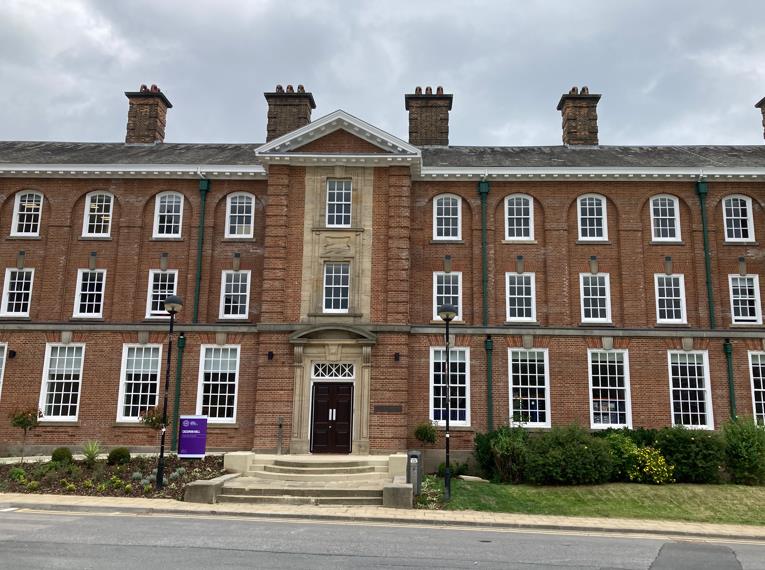
Caedmon Hall's Grade II listed front facade


Caedmon Hall’s Grade II listed front façade on the Headingley Campus.

What difference did SKArating make?

SKArating widened the University’s view of what a sustainable refurbishment could include. Beyond the expected energy upgrades, the scheme pointed the team towards routes to impact it had not previously considered.

Three stand out:

  • Social value. The project encouraged local apprenticeships during the works and sourced materials and labour as close to the campus as possible.
  • Responsible materials. All timber used in the project was FSC certified.
  • Behavioural measures. The University adopted a closed-door policy across the building to retain heat, a low-cost action that suits a listed building where fabric upgrades are restricted.

The scheme also gave the project a structured, measure-by-measure method. Each target needed evidence, so commitments made at the outset had to be demonstrated on site, not simply stated.

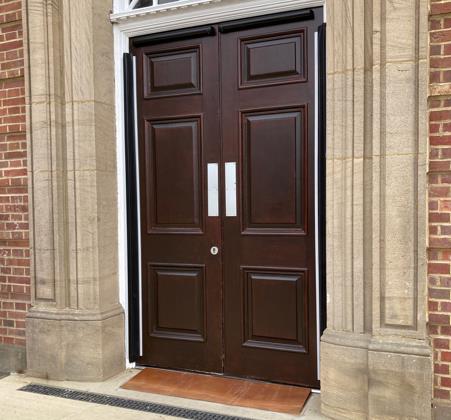
The main entrance doors of Caedmon Hall


The main entrance doors, part of the building’s closed-door policy to retain heat.

What value did the scheme deliver?

The project achieved SKArating Gold, with measures evidenced across energy, water, wellbeing, materials, waste, biodiversity and social value. The site inspection recorded 66 items of evidence across the building and grounds.

Theme What was delivered at Caedmon Hall Photo
Energy and carbon An air source heat pump with buffer vessels now serves the heating circuits, cutting reliance on gas. LED lighting throughout, with lighting controls and presence detection. Insulated plant pipework and triple-panel radiators. Air source heat pump and plant at Caedmon Hall
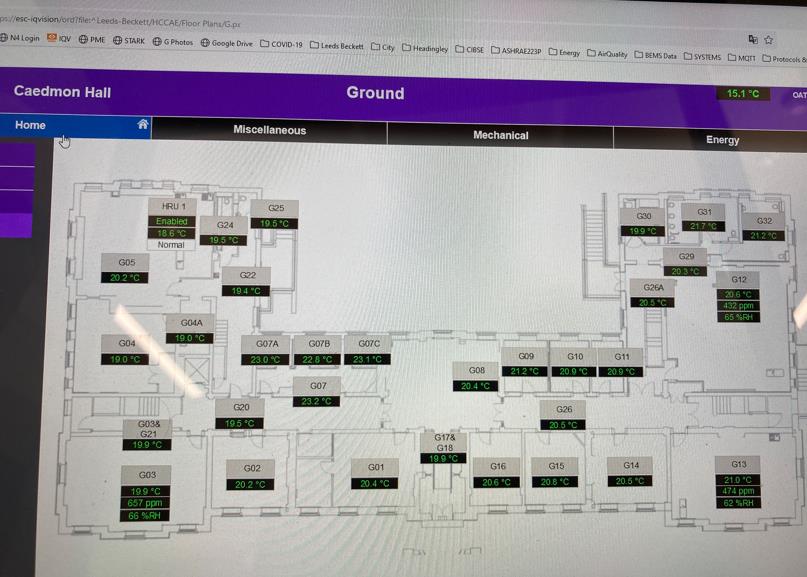
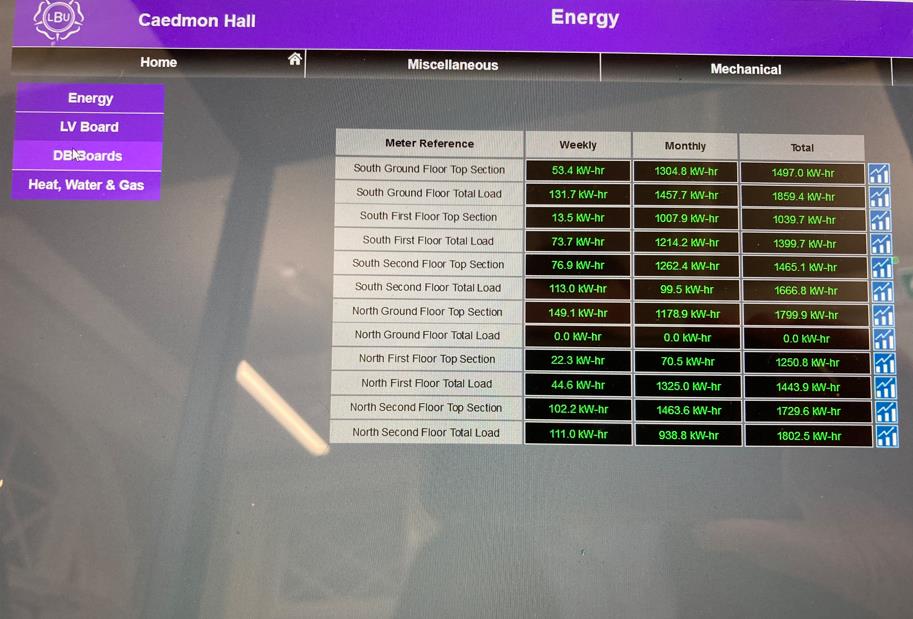
Control and monitoring A new building management system shows temperature set points room by room on every floor, plus heating, heat pump and metering screens. Sub-metering covers electricity by floor, water and heat. Building management system screen
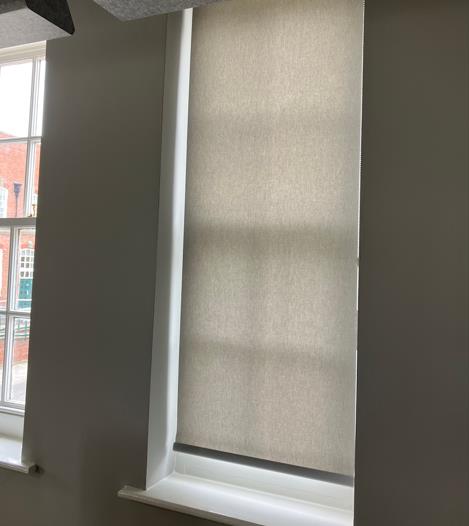
Thermal performance A closed-door policy supported by automatic entrance doors, and blinds specified for their insulating properties. Automatic entrance doors and insulating blinds
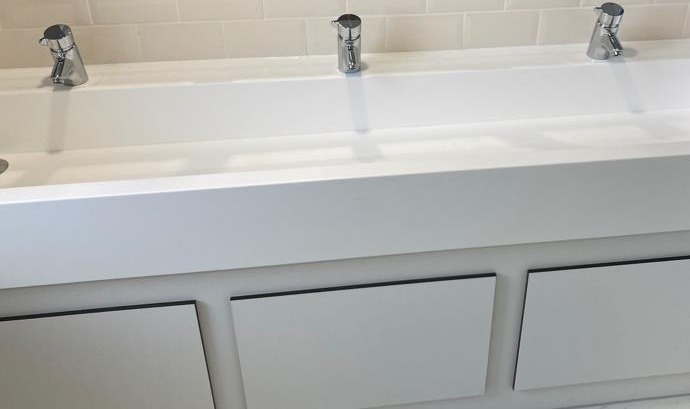
Water Sensor-flush WCs and urinals, push-action taps, a dedicated water meter and point-of-use water heaters. Sensor-flush WC and push-action taps
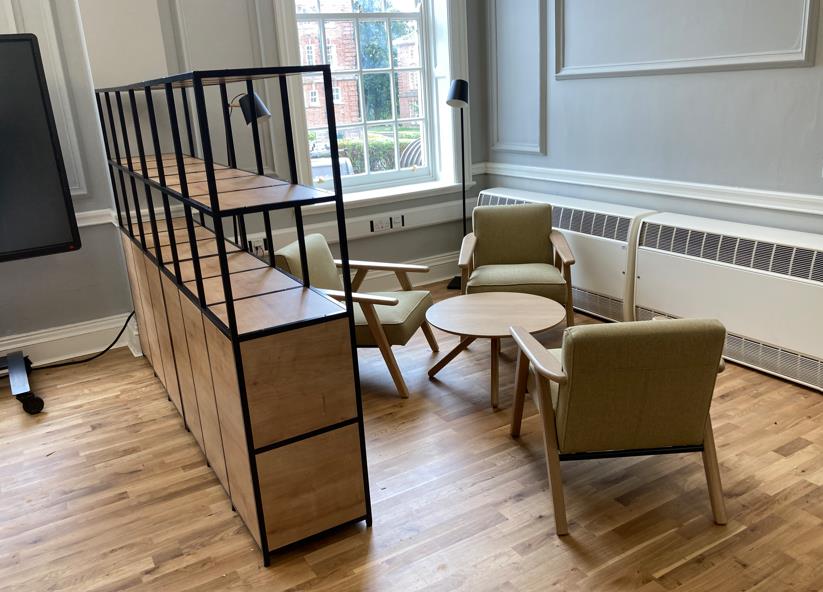
Wellbeing Wall-mounted sensors monitoring temperature, humidity and CO2, acoustic ceiling batons in teaching spaces, showers, lockers and a range of breakout spaces. Breakout space with acoustic ceiling batons
Materials and circularity FSC-certified timber throughout. Furniture and IT equipment schedules so items can be reused in other University buildings. FSC-certified timber and labelled furniture
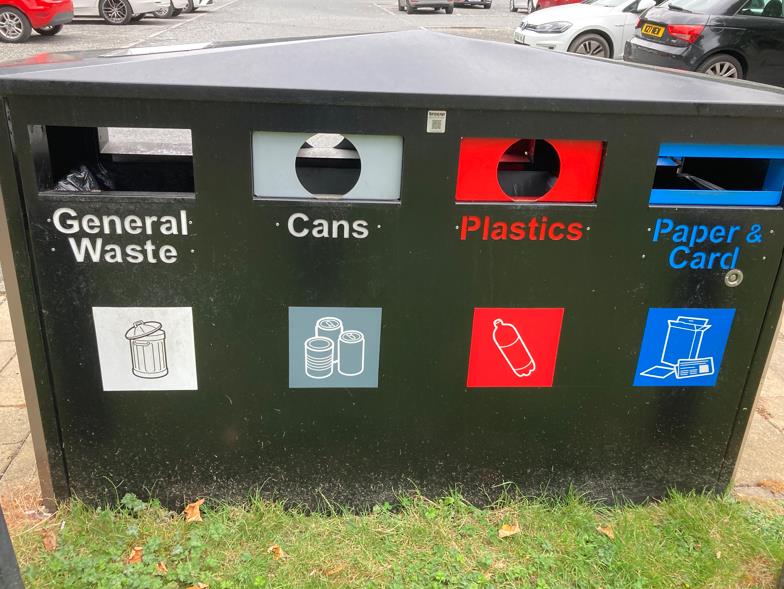
Waste Segregated recycling inside the building and external recycling storage. Segregated recycling bins
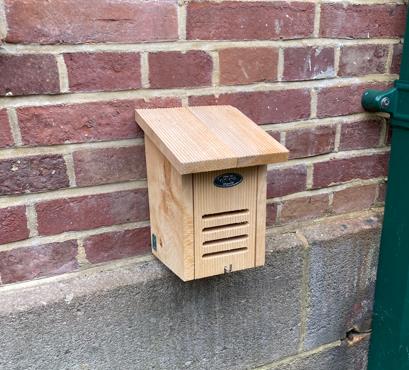
Biodiversity A ladybird box and newly planted, mulched beds at the building frontage. Ladybird box and planted beds at the frontage
Social value Local apprenticeships during the works, and materials and labour sourced locally to the campus.

The value has also reached beyond the building. The University has used the assessment to report its ESG performance through internal communications and marketing, giving staff, students and the public a transparent account of what was targeted and achieved.

How the project team picked it up

SKArating was built into the project as a shared responsibility rather than a single specialist’s task. University staff, quantity surveyors, engineers and interior designers each took ownership of specific measures, with the SKArating Assessor coordinating across them.

The SKArating online tool was central to this. It gave the team one place to capture evidence against each measure and to share progress with the wider project team at every stage. Where measures cut across disciplines, the structure prompted collaboration between teams to get them over the line.

The University found that this approach reflected SKArating’s values in practice:

  • Shared benefit through local apprenticeships and local sourcing.
  • Transparency in what was reported to internal teams and the public.
  • Integrity through evidence required for every targeted measure.
  • Robustness through clear ownership, which kept each discipline accountable for its measures.
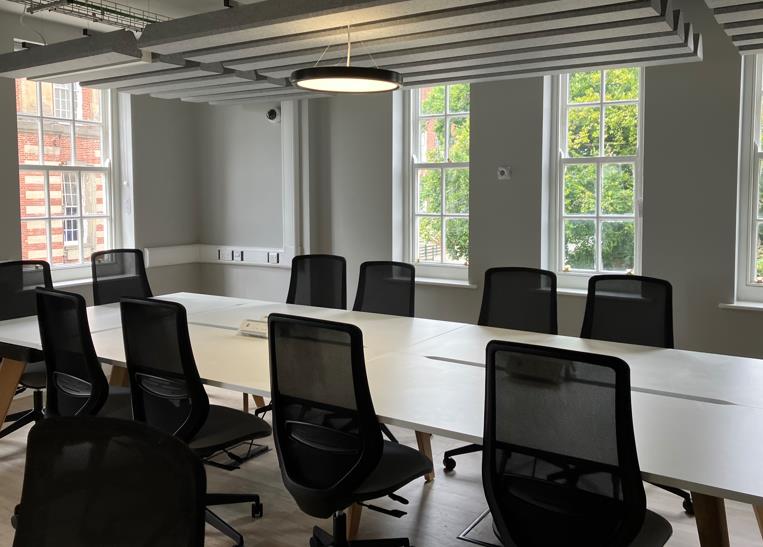
A refurbished meeting room in Caedmon Hall


A refurbished meeting room, delivered with input from engineers and interior designers.

The role of the Assessor

Rory Baker of Drees & Sommer UK Ltd acted as the SKArating Assessor on behalf of Leeds Beckett University. His role spanned four areas:

  1. Guiding the targets. He helped the University identify measures it had not previously considered, from social value to behavioural actions such as the closed-door policy.
  2. Coordinating the team. He allocated responsibility for measures across University staff, quantity surveyors, engineers and interior designers, and brought disciplines together where measures overlapped.
  3. Verifying on site. His September 2024 inspection documented 66 items, from sensor-flush WCs and the BMS metering screens to the heat pump faceplate and furniture labels, confirming that what was specified had been installed.
  4. Keeping the assessment honest. When a late change of paint manufacturer meant measure M14 Paints and Coverings could no longer be met, it was removed from target rather than claimed.
Sub-metering screen on the building management system


Sub-metering on the BMS, one of 66 items recorded during the Assessor’s site inspection.

This independent, evidence-led role gave the University confidence that its Gold rating reflects what was actually delivered.

In the Assessor’s words

“What made Caedmon Hall work was that everyone owned a piece of it. University staff, quantity surveyors, engineers and interior designers each had measures to deliver, and the online tool let us capture evidence and share progress at every stage. Removing the paints measure late on was a useful lesson. Bringing the assessment into early design conversations is how you secure the most measures.”

Rory Baker, SKArating Accredited Assessor, Drees & Sommer UK Ltd

Lessons for future projects

The biggest lesson was the value of early and regular collaboration. The paint change showed how a single procurement decision, made without reference to the assessment, can cost a measure. Had it been discussed sooner, the team could have chosen a compliant manufacturer.

On future projects the University plans to hold SKArating meetings from the early design stages. Bringing the Assessor into interior design and specification discussions should secure more targetable measures and avoid late surprises.

The project also changed how the University thinks about sustainability. It now places greater weight on tracking energy consumption and on keeping furniture and IT equipment in use across its estate, alongside carbon reduction.

A model for heritage refurbishment

Caedmon Hall shows that a listed building need not be a barrier to high sustainability performance. By combining low-carbon heating, smart controls and efficient fittings with social value, responsible materials and simple behavioural change, Leeds Beckett University has achieved SKArating Gold and a clear blueprint for its wider estate.

If you are planning a fit-out or refurbishment in higher education, find out more about the Higher Education v1.0 scheme or speak to a SKArating Assessor through the Assessor Directory at skarating.org.

Images: Rory Baker, Drees & Sommer UK Ltd. Case study published with the permission of Leeds Beckett University.

How Wagamama Used SKArating to Raise the Bar

How Wagamama Used SKArating to Raise the Bar

In our latest episode, we unpack how Wagamama’s Clarks Village restaurant became a standout example of sustainable fit-out in action — with insights from:

Alex Neil, Group Head of Construction, Wagamama
Stewart Muir, Senior Technical Consultant & SKA Assessor, Bioregional
Together, they share what it really takes to embed sustainability into a fast-paced construction programme.

Podcast hosted by Elina Grigoriou, Director at Grigoriou Interiors and SKArating Board

Here’s a taste of what you’ll hear:

    • Why setting a baseline is the most important step — and how it shaped the whole project.
    • Energy results that surprised everyone — including a 14–20% reduction through better monitoring.
    • What a 50% rise in water costs taught the team about the value of real-time data.
    • How recycled chopsticks, ocean-waste plastic chairs and furniture reuse brought circularity to life.
    • The growing role of suppliers — and why contractor engagement has never mattered more.
    • How sustainability became a competitive (and fun) part of Wagamama’s operations.
    • A behind-the-scenes look at assessing with SKArating — and why achieving Gold was a team sport.

Alex and Stewart also share how the project shifted internal culture, supported net-zero commitments, and demonstrated the commercial benefits of smarter energy and water systems.

If you’re exploring SKArating for the first time — or looking to elevate your approach — this episode is packed with practical, real-world insights.

Listen to the podcast and follow SKArating below:

If you would like to receive more information or have any questions about the Offices Scheme update, please sign up for our newsletter in the footer below, or contact us via email at support@skarating.org.