
SKArating Case Study | Higher Education v1.0
Caedmon Hall Refurbishment: SKArating Gold for Leeds Beckett University
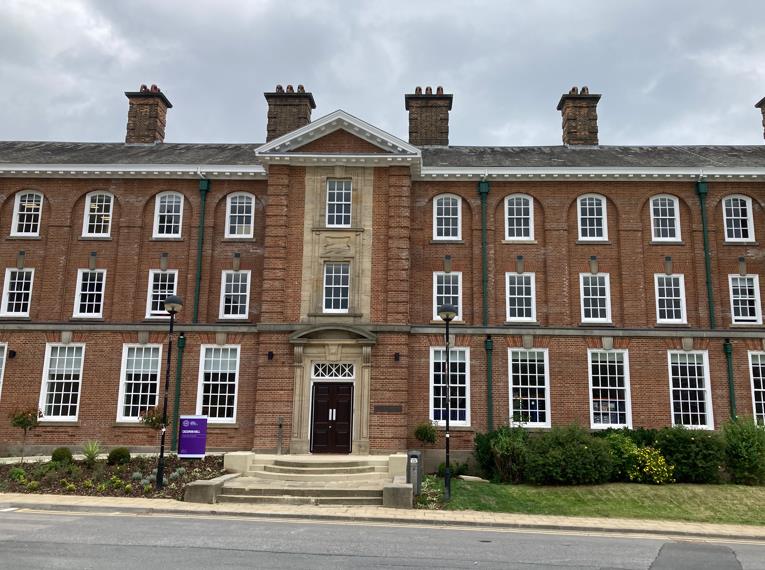
Leeds Beckett University’s refurbishment of Caedmon Hall, a Grade II listed building on its Headingley Campus, has achieved SKArating Gold under the Higher Education v1.0 scheme. The project shows how a historic building with tight heritage constraints can still deliver measurable environmental, social and wellbeing outcomes when sustainability is assessed holistically rather than through carbon alone.
The assessment was led by Rory Baker, SKArating Accredited Assessor at Drees & Sommer UK Ltd, working on behalf of the University. The certificate was issued in 2025.
Project at a glance
| Project | Caedmon Hall Refurbishment |
| Client | Leeds Beckett University |
| Location | Headingley Campus, Leeds, UK |
| Building | Grade II listed teaching and office building |
| Scheme | SKArating Higher Education v1.0 |
| Rating achieved | Gold |
| SKArating Assessor | Rory Baker, Drees & Sommer UK Ltd |
| Certificate issued | 2025 |
The challenge: a listed building with an old footprint
Caedmon Hall’s Grade II listing meant the University could not simply strip out and replace its fabric. The building carried single-glazed timber-framed windows, relied on gas boilers for heat, and had limited control over how energy was used across its spaces.
The University wanted more than a carbon-reduction exercise. It was looking for a certification that would verify its commitment to positive impact and evidence a holistic approach covering people, environment and community. SKArating’s Higher Education scheme, which assesses fit-outs and refurbishments against a broad set of measures, offered that framework.
What difference did SKArating make?
SKArating widened the University’s view of what a sustainable refurbishment could include. Beyond the expected energy upgrades, the scheme pointed the team towards routes to impact it had not previously considered.
Three stand out:
- Social value. The project encouraged local apprenticeships during the works and sourced materials and labour as close to the campus as possible.
- Responsible materials. All timber used in the project was FSC certified.
- Behavioural measures. The University adopted a closed-door policy across the building to retain heat, a low-cost action that suits a listed building where fabric upgrades are restricted.
The scheme also gave the project a structured, measure-by-measure method. Each target needed evidence, so commitments made at the outset had to be demonstrated on site, not simply stated.
What value did the scheme deliver?
The project achieved SKArating Gold, with measures evidenced across energy, water, wellbeing, materials, waste, biodiversity and social value. The site inspection recorded 66 items of evidence across the building and grounds.
| Theme | What was delivered at Caedmon Hall | Photo |
|---|---|---|
| Energy and carbon | An air source heat pump with buffer vessels now serves the heating circuits, cutting reliance on gas. LED lighting throughout, with lighting controls and presence detection. Insulated plant pipework and triple-panel radiators. |  |
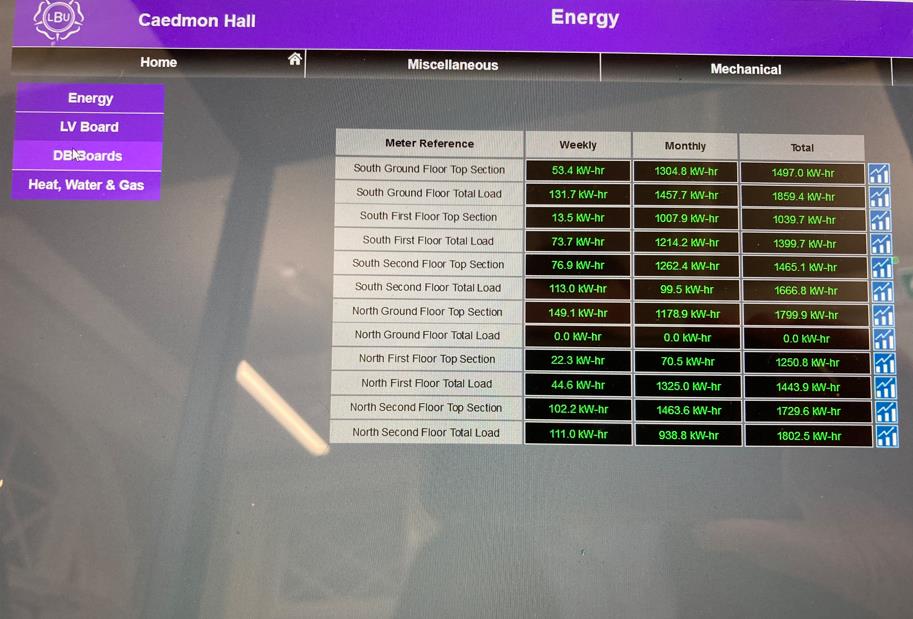
| Control and monitoring | A new building management system shows temperature set points room by room on every floor, plus heating, heat pump and metering screens. Sub-metering covers electricity by floor, water and heat. | 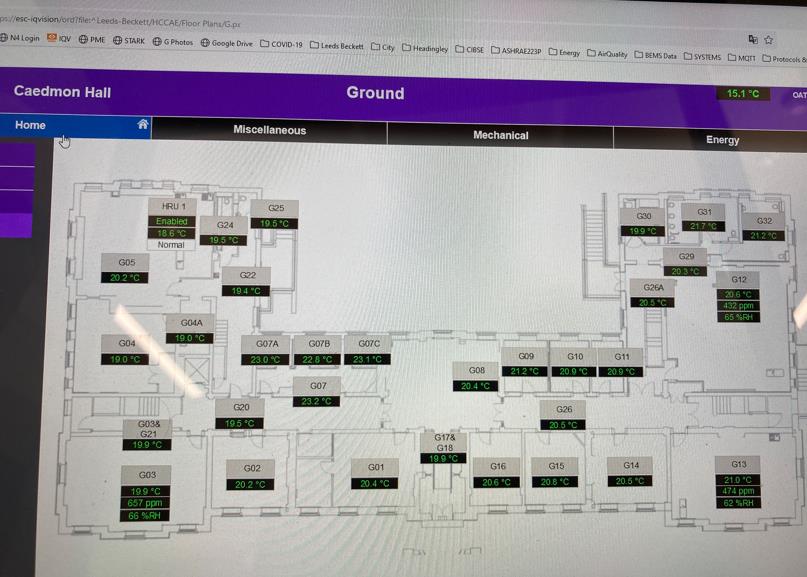 |
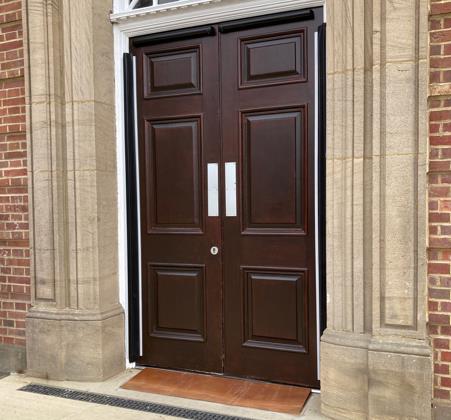
| Thermal performance | A closed-door policy supported by automatic entrance doors, and blinds specified for their insulating properties. | 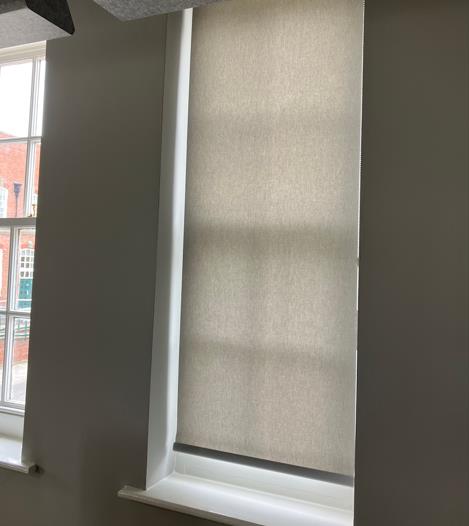 |
| Water | Sensor-flush WCs and urinals, push-action taps, a dedicated water meter and point-of-use water heaters. | 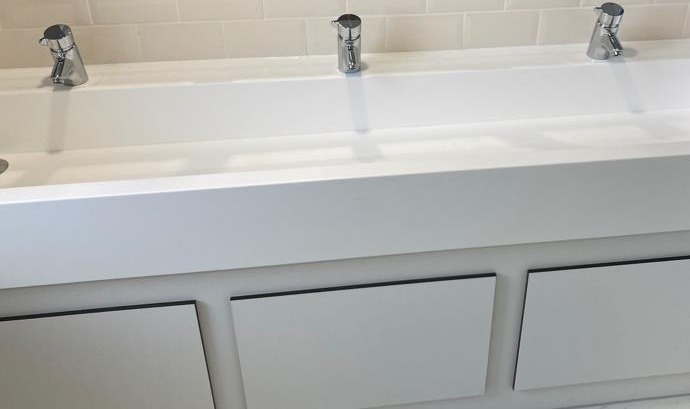 |
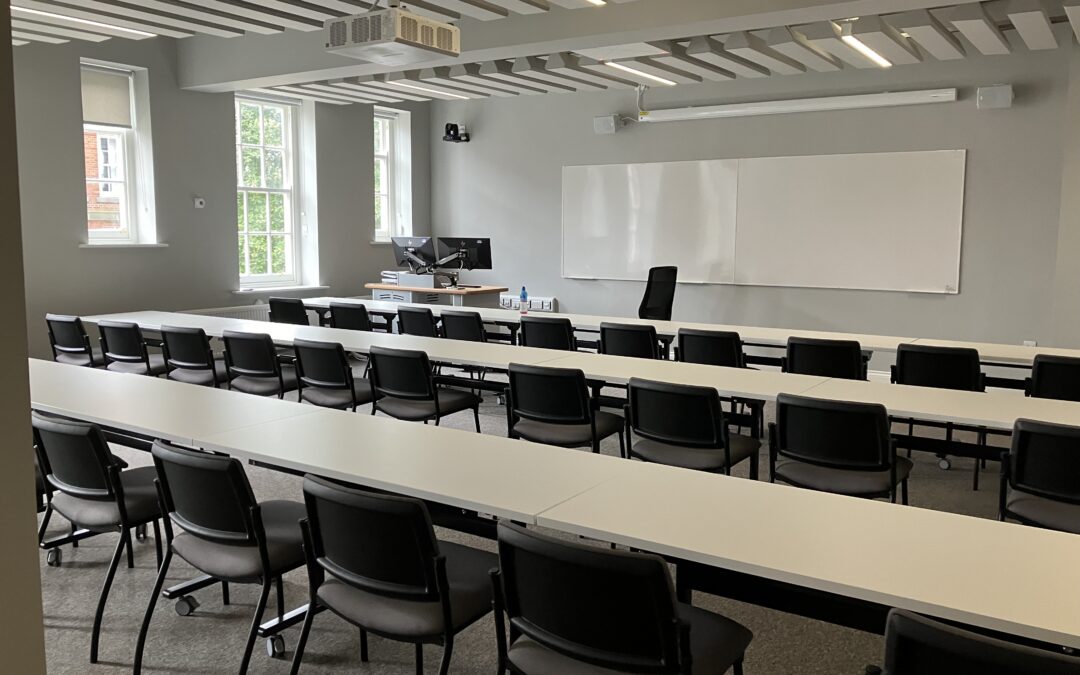
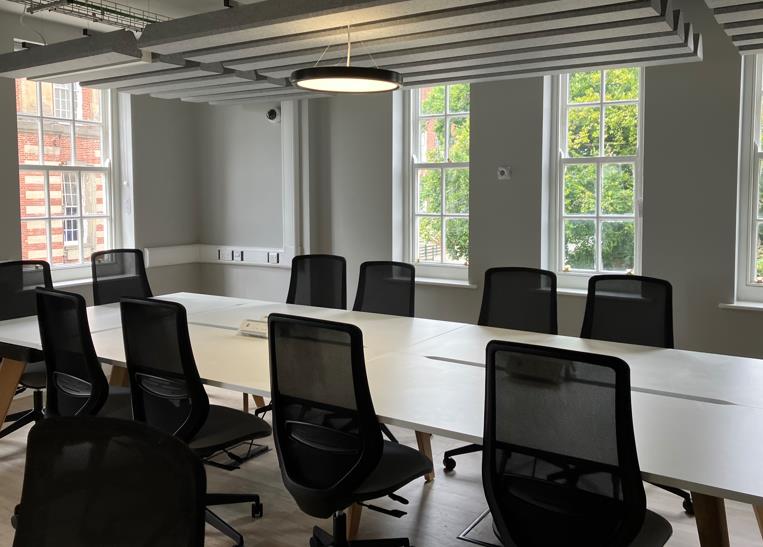
| Wellbeing | Wall-mounted sensors monitoring temperature, humidity and CO2, acoustic ceiling batons in teaching spaces, showers, lockers and a range of breakout spaces. | 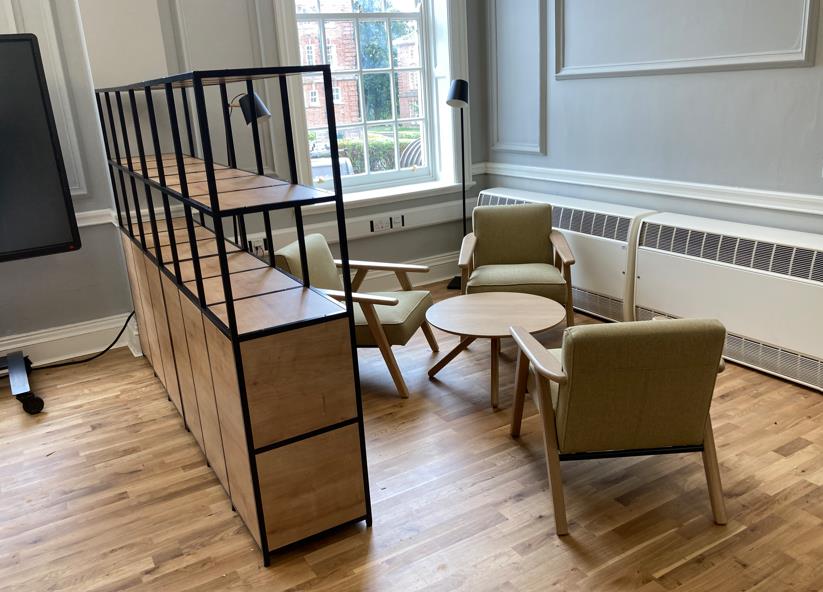 |
| Materials and circularity | FSC-certified timber throughout. Furniture and IT equipment schedules so items can be reused in other University buildings. | 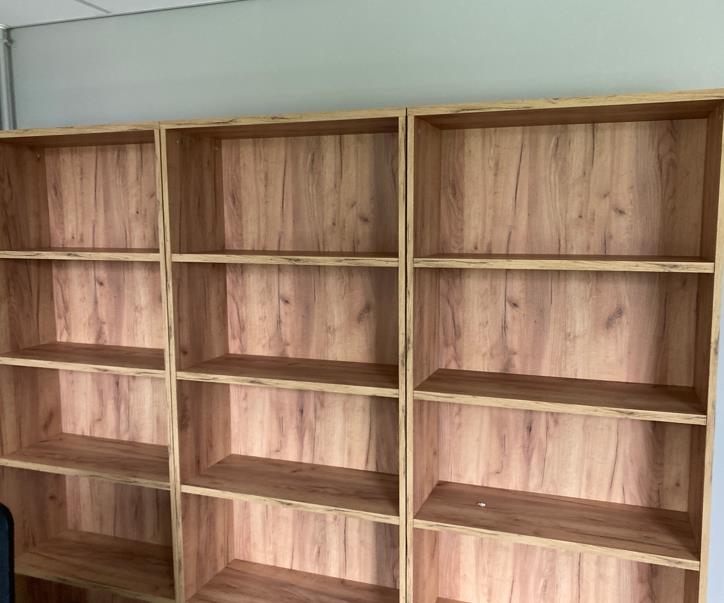 |
| Waste | Segregated recycling inside the building and external recycling storage. | 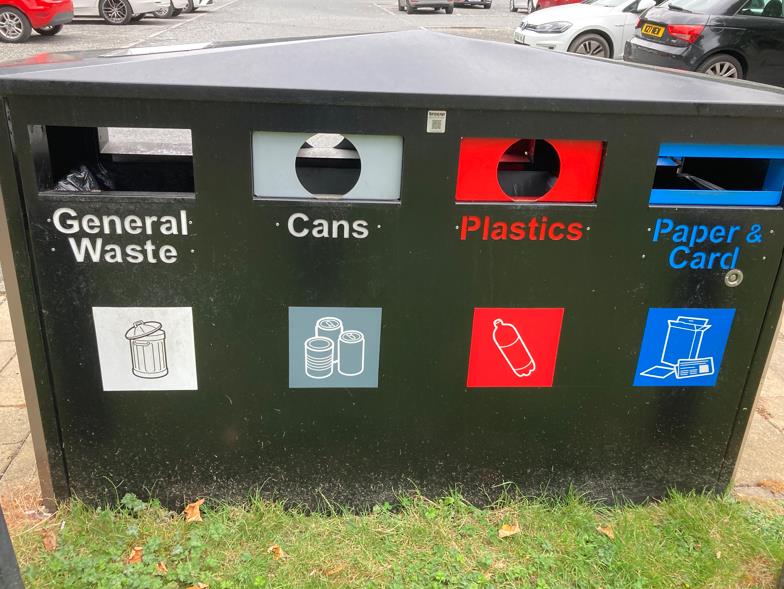 |
| Biodiversity | A ladybird box and newly planted, mulched beds at the building frontage. | 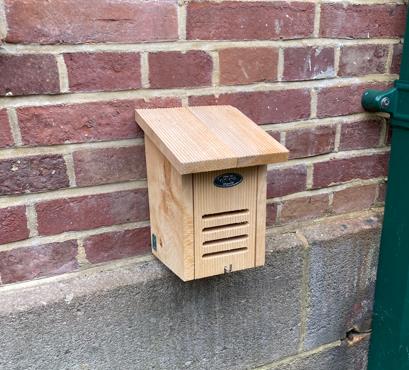 |
| Social value | Local apprenticeships during the works, and materials and labour sourced locally to the campus. |
The value has also reached beyond the building. The University has used the assessment to report its ESG performance through internal communications and marketing, giving staff, students and the public a transparent account of what was targeted and achieved.
How the project team picked it up
SKArating was built into the project as a shared responsibility rather than a single specialist’s task. University staff, quantity surveyors, engineers and interior designers each took ownership of specific measures, with the SKArating Assessor coordinating across them.
The SKArating online tool was central to this. It gave the team one place to capture evidence against each measure and to share progress with the wider project team at every stage. Where measures cut across disciplines, the structure prompted collaboration between teams to get them over the line.
The University found that this approach reflected SKArating’s values in practice:
- Shared benefit through local apprenticeships and local sourcing.
- Transparency in what was reported to internal teams and the public.
- Integrity through evidence required for every targeted measure.
- Robustness through clear ownership, which kept each discipline accountable for its measures.
The role of the Assessor
Rory Baker of Drees & Sommer UK Ltd acted as the SKArating Assessor on behalf of Leeds Beckett University. His role spanned four areas:
- Guiding the targets. He helped the University identify measures it had not previously considered, from social value to behavioural actions such as the closed-door policy.
- Coordinating the team. He allocated responsibility for measures across University staff, quantity surveyors, engineers and interior designers, and brought disciplines together where measures overlapped.
- Verifying on site. His September 2024 inspection documented 66 items, from sensor-flush WCs and the BMS metering screens to the heat pump faceplate and furniture labels, confirming that what was specified had been installed.
- Keeping the assessment honest. When a late change of paint manufacturer meant measure M14 Paints and Coverings could no longer be met, it was removed from target rather than claimed.
This independent, evidence-led role gave the University confidence that its Gold rating reflects what was actually delivered.
In the Assessor’s words
“What made Caedmon Hall work was that everyone owned a piece of it. University staff, quantity surveyors, engineers and interior designers each had measures to deliver, and the online tool let us capture evidence and share progress at every stage. Removing the paints measure late on was a useful lesson. Bringing the assessment into early design conversations is how you secure the most measures.”
Rory Baker, SKArating Accredited Assessor, Drees & Sommer UK Ltd
Lessons for future projects
The biggest lesson was the value of early and regular collaboration. The paint change showed how a single procurement decision, made without reference to the assessment, can cost a measure. Had it been discussed sooner, the team could have chosen a compliant manufacturer.
On future projects the University plans to hold SKArating meetings from the early design stages. Bringing the Assessor into interior design and specification discussions should secure more targetable measures and avoid late surprises.
The project also changed how the University thinks about sustainability. It now places greater weight on tracking energy consumption and on keeping furniture and IT equipment in use across its estate, alongside carbon reduction.
A model for heritage refurbishment
Caedmon Hall shows that a listed building need not be a barrier to high sustainability performance. By combining low-carbon heating, smart controls and efficient fittings with social value, responsible materials and simple behavioural change, Leeds Beckett University has achieved SKArating Gold and a clear blueprint for its wider estate.
If you are planning a fit-out or refurbishment in higher education, find out more about the Higher Education v1.0 scheme or speak to a SKArating Assessor through the Assessor Directory at skarating.org.
Images: Rory Baker, Drees & Sommer UK Ltd. Case study published with the permission of Leeds Beckett University.